-
Choose Store:


- Track Your Order
- My Account
- My Wishlist
- Log In


Opioid pain killers: An Inclusive Guide

Prescription opioids like oxycodone, morphine, and hydrocodone are considered effective pain-decreasing medicines which come with both benefits and potentially severe risks.
What are opioids?
While suffering from mild headaches or muscle aches, an over-the-counter pain reliever might be enough to make you feel better. However, if your pain is severe then the doctor will first suggest you take a prescription opioid.
Opioids sometimes also known as narcotics are medicines recommended by doctors to treat the problem of constant pain or management of musculoskeletal problems. Doctors prescribe this medicine to people suffering from chronic headaches & backaches, patients recovering from surgery, or experiencing serious pain linked with cancer.
Doctors also prescribe opioids to adults and children who have got hurt while playing sports or have been injured seriously in accidents, falls, or other incidents.
How do opioids work in your body?
Opioids usually attach to proteins known as opioid receptors on nerve cells present in your brain, gut, spinal cord, and parts of the body. When this happens, the opioids start blocking pain messages sent from your body via the spinal cord to the brain.
Though opioids relieve pain effectively, they also carry some risks and might be addictive as well. The risk of addiction increases when you start taking high doses of opioids for a long time to treat chronic pain.
Are there any potential side effects of opioids?
Yes, opioids also come with a few side effects just like other medicines. The common side effects of opioids include:
- Nausea
- Sleepiness
- Constipation
Opioids can sometimes even cause more severe side effects that are life-threatening. If you overdose on opioids, you can experience the following symptoms:
- Loss of consciousness
- Shallow breathing
- Slowed heart rate
In case, you experience any side effects while consuming opioid painkillers then immediately report to a doctor.
However, stopping the intake of opioids suddenly can sometimes make you suffer from insomnia or jittery nerves.
During your treatment with opioids, addiction might also be possible. Sometimes opioids make your body and brain believe that the medication is vital for survival.
As you learn to accept the dose prescribed by your doctor, you might find that you require even more medicine in order to relieve the pain. This sometimes even causes addiction.
Are there any different types of opioids?
Yes, there are several types of prescribed opioids that are identified by several other names including:
- Fentanyl
- Oxycodone
- Codeine
- Morphine
- Hydrocodone
- Oxymorphone
These medicines are also available under different brand names like Percocet, Oxycontin, Vicodin, Percocet, and Palladone. Aspadol (Tapentadol) is an opioid treatment when other pain medicines did not work.
Remember the different types of opioids are suggested by doctors in various strengths and consumed in different forms. However, this depends upon the patient’s condition, type, and level of pain.
How are opioids administered?
A number of opioids are taken in the form of pills. On the other hand, some opioids are taken through a vein by injection. Doctors also give opioids pain killers through a patch that is placed on your skin.
Can you take opioid pain drugs?
People suffering from moderate to severe pain can take opioids in order to experience a remarkable difference. But opioids are not always the right pick. It is always better to discuss the requirement of using them with the doctor once.
In case, you take them then following the instruction of your doctor is necessary. If the pain is not related to cancer, then discuss with the doctor regularly about taking opioids regularly or not.
If the doctor suggests you take opioids regularly then decreasing the dose or changing the type of opioid can assist in preventing problems.
Are there any benefits of stopping opioids?
Although withdrawal symptoms can be difficult to tolerate but can be managed well with positive results. This can only happen with the help of a specialist like an anesthesiologist.
There are some people who experience improved function without waning pain after stopping the consumption of opioids. While some patients have also experienced enhanced pain relief after stopping the use of medicine. Even though the pain got worse at first.
Moreover, unusual therapies with more occasional risks and side effects can be effective in dealing with pain.
As opioids mask pain, eliminating them can also help the pain management specialist to have a better understanding of the nature and level of discomfort.
With such kind of understanding, it becomes easy for the physician to evaluate which alternative treatments can be effective and best for you.
Thus, opioids are good at managing pain but it is important to consult the doctor once before starting treatment with opioid pain killers.
Related Posts

Powered by Mirasvit Magento 2 Extensions
Recent Posts
-

-

-
Is Modafinil Addictive?
Read more...Modafinil is a stimulant prescription medicine that keeps people alert and awake. This medicine is helpful in treating narcolepsy disorder and various other excessive sleep problems.
Unfortunately, Modafinil has the potential for
-
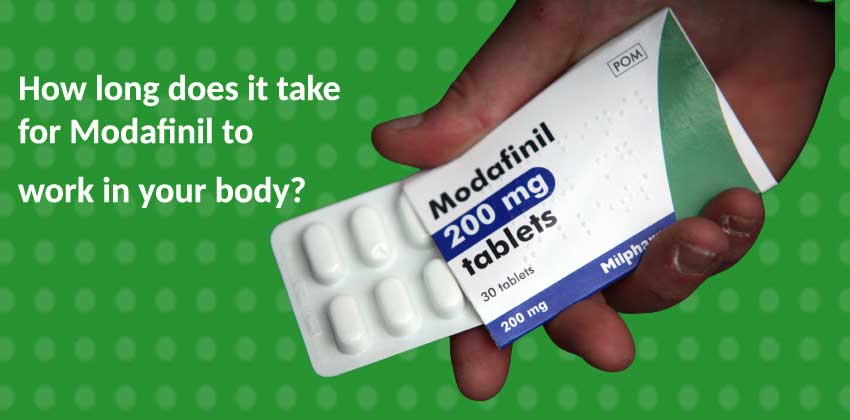
How long does it take for Modafinil to work in your body?
Read more...Modafinil is a generic medicine that treats sleepiness and obstructive sleep apnea linked with narcolepsy and other sleep problems.
This medicine is good at promoting wakefulness. It can increase dopamine & glutamate in the b
-

How do Pain Relieving Medicines work?
Read more...If you experience chronic pain from back problems, arthritis, joint injuries, or trauma then you know how it hampers your daily life.
Moreover, in areas that ache and throb constantly, chronic pain also causes other conditions su


